 ultimate-guide
Trading Card Return Policy Expectations
Table of Contents
- Understanding Trading Card Return Policy Basics
- Return Windows and Refund Timelines
- Condition Verification and Item Misrepresentation
- Best Protective Sleeves for Cards During Return Shipping
- Handling Damaged Trading Card Shipping Claims
- Grading Submission and Return Processes
- Buyer Protection and Fraud Prevention
- Conclusion
- Frequently Asked Questions
Last Updated: September 30, 2026
Understanding Trading Card Return Policy Basics
A trading card return policy sets the rules for returning cards, receiving refunds or replacements, and specifies acceptable return reasons, timelines, and processing procedures.
Return policies vary widely, some offer 30-day windows, others 14 days; some require original condition, others accept opened purchases. Understanding the specifics of any trading card return policy before you buy protects you from surprises later.
Return Windows and Refund Timelines
Return windows typically range from 14 to 30 days from receipt (not order date), and shipping delays eat into this window.
Refund timelines are separate from return windows. Processing typically takes 5-10 business days after the seller receives your card, plus return shipping, a full cycle can take 3-4 weeks.
Some sellers refund to your original payment method; others offer store credit (faster but locks you in). Confirm which applies before initiating a return.
Condition Verification and Item Misrepresentation
Condition verification confirms a card matches its stated grade or description. If what arrives doesn't match the listing, that's item misrepresentation.
Best Protective Sleeves for Cards During Return Shipping
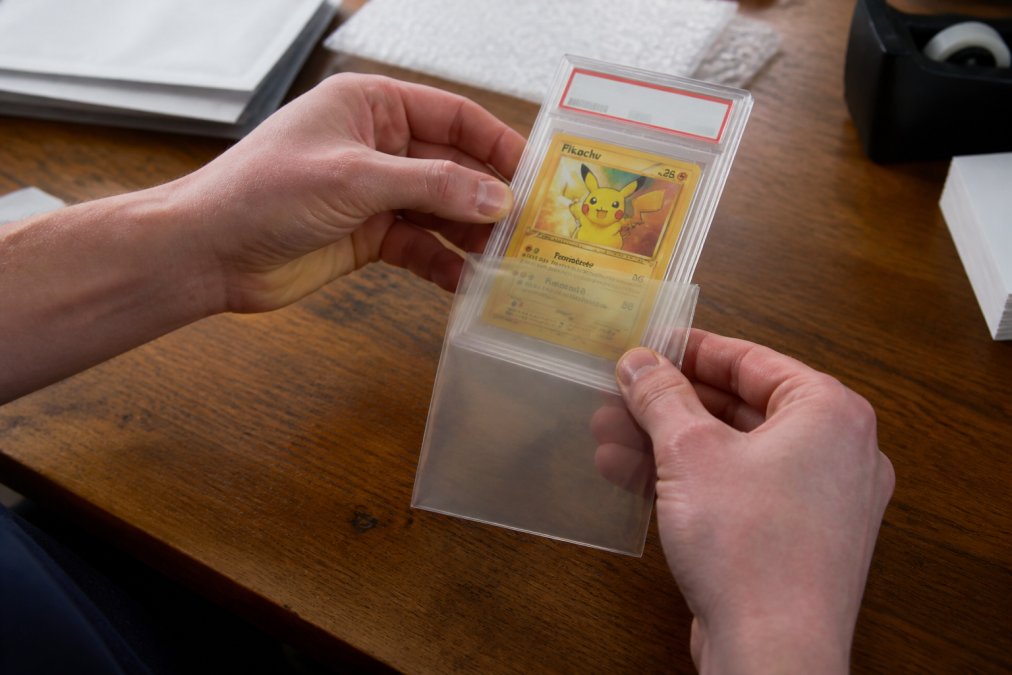
Proper protective sleeves during return shipping prevent disputes about damage responsibility.
Handling Damaged Trading Card Shipping Claims
Document damage immediately with clear photos from multiple angles and keep packaging as evidence. Damaged in transit claims are straightforward, sellers are responsible for adequate packaging.
Grading Submission and Return Processes
Pre-graded slabbed cards have different return processes than raw cards, and understanding these distinctions prevents disputes about responsibility.
Pre-Graded Cards (Already Slabbed)
Raw Cards Submitted for Grading
Regrade Requests and Grade Disputes
Seller-Submitted Grading
Buyer Protection and Fraud Prevention
Fraud and counterfeit trading cards represent a real financial risk. Understanding what constitutes fraud, how to document it, and what protections exist is essential to setting realistic return expectations.
Types of Fraud and Return Eligibility
Eligible for return (fraud/misrepresentation):
- Card is counterfeit or altered (not a genuine product from the manufacturer).
- Card's grade or condition was materially misrepresented in the listing (listed as PSA 8, arrived as PSA 5 or lower).
- Card is damaged due to seller's negligence in packaging or shipping.
- Wrong card shipped (you ordered a 1999 Charizard, received a 2020 reprint).
- Card has been previously graded and the slab shows evidence of tampering or reopening.
Not eligible for return (buyer's remorse):
- You changed your mind about the purchase.
- You found the same card cheaper elsewhere.
- You're unhappy with the grade but it matches the listing description.
- You don't like the card's condition, but it was accurately described and photographed.
- You expected the card to appreciate in value and it didn't.
Documentation Requirements for Fraud Claims
For counterfeit or altered cards:
- Take high-resolution photos under multiple lighting conditions showing the front, back, and edges.
- Document visible signs of alteration: uneven printing, color inconsistencies, misaligned text, or unusual wear.
- If slabbed, photograph the slab label and any signs of tampering (cracks, adhesive residue, slab separation).
- Compare against known examples from reputable sources.
- Do not open a slab or remove the card. This voids claims and damages value.
For condition misrepresentation:
- Take photos immediately upon receipt, before handling the card extensively.
- Show the specific damage or wear that contradicts the listing (creases, stains, corner wear, surface imperfections).
- Include photos of the listing description side-by-side with your received card for comparison.
- Document the condition in writing: describe the damage, note the date received, and reference the original listing.
For shipping damage:
- Photograph the card inside its packaging before removing it. Show how it was packaged and any damage to the packaging itself.
- Photograph the damaged card from multiple angles.
- Keep the original packaging and all materials. This is evidence of how the seller shipped it.
- If the card arrived in a standard envelope with no padding, and it's bent or creased, this is evidence of inadequate packaging.
Seller Verification and Fraud Prevention Before Purchase
- Feedback and reviews, Look for sellers with 95%+ positive feedback and read recent reviews mentioning condition accuracy and shipping care. Avoid sellers with multiple complaints about misrepresentation or counterfeit cards.
- Detailed photography, Reputable sellers provide multiple high-resolution photos showing the card from different angles and under different lighting. Stock photos or single low-resolution images are red flags.
- Condition descriptions, Clear, specific descriptions ("light creasing on the back left corner," "slight edge wear on the top edge") are more trustworthy than vague ones ("lightly played," "good condition").
- Grading documentation, For pre-graded cards, verify the grading service's authenticity. Check the slab label against the service's official format. PSA, BGS, and CGC slabs have specific design elements and security features. Counterfeit slabs often have printing inconsistencies or incorrect label formatting.
- Seller communication, Reputable sellers respond to questions quickly and provide additional photos or information upon request. Sellers who are evasive or refuse to answer questions are higher risk.
- Return policy transparency, Sellers with clear, detailed return policies are more trustworthy than those with vague or restrictive terms. A seller confident in their cards' authenticity will offer straightforward returns.
Serial Number Tracking and Authenticity Guarantees
For high-value cards, some sellers provide additional documentation:
- Serial number records, Slabbed cards have unique serial numbers on the slab. Reputable sellers document these numbers and can provide proof of the card's grading history. You can verify a PSA card's serial number on PSA's website using their "PSA Cert Verification" tool, which confirms the card's grade, date of grading, and other details.
- Certificates of authenticity, Some sellers of raw cards, especially vintage or rare cards, include certificates of authenticity from third-party authenticators. These documents provide a paper trail and can be referenced if disputes arise later.
- Purchase receipts and provenance, High-end sellers of valuable cards provide documentation of the card's ownership history. This "provenance" makes it harder to sell stolen or fraudulently obtained cards.
Platform-Level Buyer Protection
Where you buy affects your protection level:
- Marketplace platforms (eBay, TCGPlayer, Facebook Marketplace) often have built-in buyer protection programs. If a seller doesn't deliver or misrepresents a card, you can file a dispute and the platform may refund you or force the seller to accept a return. These platforms hold sellers accountable.
- Direct sales from seller websites offer less platform protection. Your recourse depends entirely on the seller's return policy and willingness to honor it. This is why seller reputation and clear policies are critical.
- Auction sites have different dispute processes than fixed-price marketplaces. Understand the platform's rules before bidding.
Conclusion
Understanding trading card return policy expectations protects you before and after purchase. Return windows, condition verification, shipping protection, and buyer protection all matter. Shop with sellers who prioritize transparency, detailed photos, honest descriptions, and straightforward return terms to avoid problems before they start.
Frequently Asked Questions
What is the standard return window for a trading card return policy?
Most online retailers offer return windows between 14 and 30 days from purchase. Always check the terms of service on your receipt or confirmation email. Return eligibility typically requires the card to be in resalable condition without signs of play, damage, or alteration. Some graded cards or special orders may have different windows, so verify before purchasing if you're uncertain.
Can I return a card if it arrives in different condition than described?
Yes. Item misrepresentation is a valid reason for return. If your card arrives damaged in transit or in noticeably worse condition than the listing stated, you have grounds for a return or refund. Document the issue with photos and contact the seller immediately. Most sellers require you to report damage within 7 days of receipt. Keep original packaging and the shipping label as proof. This is where buyer protection kicks in, platforms track seller liability for condition mismatches, and repeated issues can affect a seller's reputation.
What should I do if my trading card arrives damaged?
File a damaged trading card shipping claim immediately. First, photograph the card in its damaged state and the original packaging. Contact the seller with photos and your order number within the claim window (usually 7-14 days). Provide your shipping label for reference. Most carriers and sellers will either issue a refund or send a replacement. Keep the damaged card and packaging until the claim is resolved. If the seller doesn't respond, escalate through the payment processor or platform's buyer protection program. Proper packaging with protective sleeves reduces damage risk, but accidents happen, documentation is your proof.
Are graded trading cards subject to different return policies?
Yes. Graded or slabbed cards often have stricter return policies because they've been authenticated and encased by a third-party service. Many sellers mark graded cards as final sale or no-return items. If a graded card can be returned, the return window is typically shorter (7-14 days) and the card must remain in its tamper-evident slab untouched. Some sellers allow exchanges only, not refunds. Always review the grading submission and return process details before buying a graded card, as these terms of service differ significantly from raw card policies.