 listicle
Best Sites for Vintage Card Singles: 2026 Buyer's Guide
Table of Contents
- Where to Buy Vintage Card Singles: Top Marketplaces Compared
- Quick Comparison Table: Vintage Card Singles Platforms
- How to Spot Fake Vintage Cards Before You Buy
- Buying Raw vs Graded Vintage Cards: What's Right for You
- Vintage Card Price Guide: Determining Fair Market Value
- Authentication and Grading Verification for Vintage Singles
- Storage and Preservation Best Practices for Your Collection
- Which Site Should You Choose?
- Frequently Asked Questions
Last Updated: October 2, 2026
Where to Buy Vintage Card Singles: Top Marketplaces Compared
Finding authentic vintage card singles requires knowing where to look. The market spans specialized retailers, auction platforms, and peer-to-peer marketplaces, each with distinct advantages and trade-offs. This guide walks you through the best sites for vintage card singles and what makes each one worth considering.
At Dave's House of Cards, we understand that collectors need reliable sources for individual cards. The platform you choose determines both your success rate and your confidence in authenticity.
Quick Picks:
- Best for Convenience: Dave's House of Cards, curated selection with free shipping
Dean's Cards: Premium Vintage Inventory with Expert Grading
Dean's Cards specializes in vintage sports cards dating back to 1909. Their inventory focuses on complete and near-complete sets alongside individual singles, with detailed high-resolution scans of actual cards for sale. The search interface filters by year, brand, and player, making it straightforward to locate specific vintage card singles.
What sets them apart is their condition reporting. Each listing includes detailed notes on card stock quality, centering, and wear patterns. This transparency helps you assess whether a card matches your collection standards before purchase.
The tradeoff is pricing. Dean's Cards positions itself as a premium retailer, which means their vintage card singles cost more than peer-to-peer marketplaces. If you're building a collection of genuinely rare pieces, the expert curation justifies the premium. If you're hunting commons or moderately scarce cards, you'll find better value elsewhere.
Their customer satisfaction ratings on third-party review platforms consistently rank high, which signals reliability over years of operation.
Dave's House of Cards: Curated Selection with Fast Shipping
Dave's House of Cards offers a curated selection of collectible trading cards for enthusiasts and players. The focus is on individual cards from popular series, making it easy to find the specific pieces you need to complete your sets. The platform provides convenient online shopping with straightforward shipping options.
What matters most here: free standard shipping over $7.50 and free USPS Ground Advantage shipping over $25. For collectors buying multiple singles across several orders, those shipping thresholds add up to real savings. The curated approach means you're not sorting through thousands of listings, the inventory is intentionally selected rather than open marketplace.
This works best if you're building collections from well-known franchises like Pokémon, Magic: The Gathering, or Yu-Gi-Oh!
Sports Cards Pro: Fee-Free Marketplace for Budget Collectors
Sports Cards Pro operates as a zero-fee marketplace with an integrated price guide. Buyers and sellers connect directly without transaction fees, which translates to lower prices than platforms that charge commissions. The comprehensive price guide supports PSA, BGS, and ungraded cards, so you can verify fair market value before making an offer.
The advantage is straightforward: no buyer fees means your money goes further. If you're budget-conscious and patient about finding deals, this platform rewards that approach.
The limitation is inventory volume. The marketplace is smaller than eBay or TCGPlayer, so you won't find every vintage card single you're hunting. Expect to spend more time browsing and potentially waiting for specific cards to appear. This platform works best for common to moderately scarce vintage singles where supply is reliable.
Joopiter: High-End Auctions for Rare Vintage Cards
Joopiter operates as a digital-first auction house specializing in high-value collectibles. Their curated auctions frequently feature rare and vintage trading cards that rarely appear on standard retail sites. Each listing includes detailed provenance reports and professional condition assessments.
This is where you go when you're hunting something genuinely exceptional. The barrier to entry is high, auction minimums and competitive bidding mean you're paying premium prices. But if you're a serious collector or investor seeking investment-grade vintage card singles, the access to exclusive inventory justifies the cost.
Joopiter handles logistics professionally, including secure shipping and insurance for high-value pieces. The auction format means you're bidding against other serious collectors, so expect prices to reflect true market demand.
Quick Comparison Table: Vintage Card Singles Platforms
| Platform | Best For | Inventory Focus | Key Advantage | Main Limitation |
|---|---|---|---|---|
| Dean's Cards | Expert collectors | Vintage sets & singles | Detailed condition reporting | Premium pricing |
| Dave's House of Cards | Convenient shopping | Curated popular series | Free shipping over $7.50 | Limited ultra-rare inventory |
| Sports Cards Pro | Budget collectors | All eras & conditions | Zero marketplace fees | Smaller inventory volume |
| Joopiter | High-end collectors | Rare investment-grade cards | Exclusive auction access | High minimum bids |
How to Spot Fake Vintage Cards Before You Buy
Counterfeits exist at every price point. Learning to identify them protects your collection and your investment.
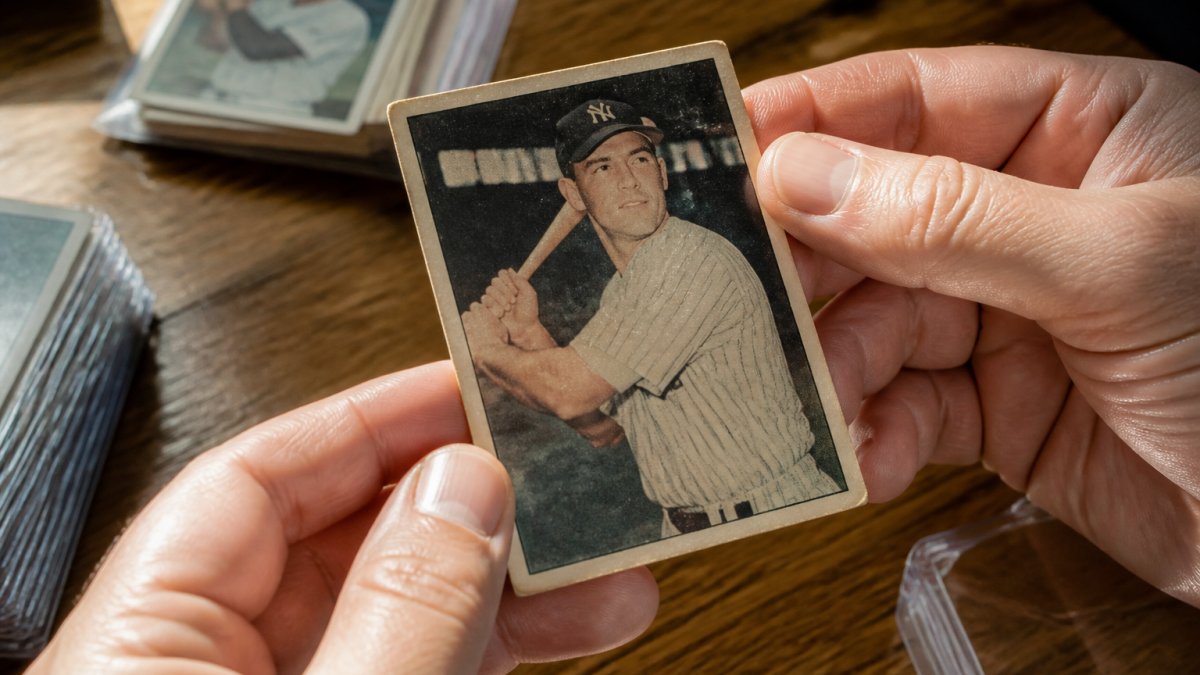
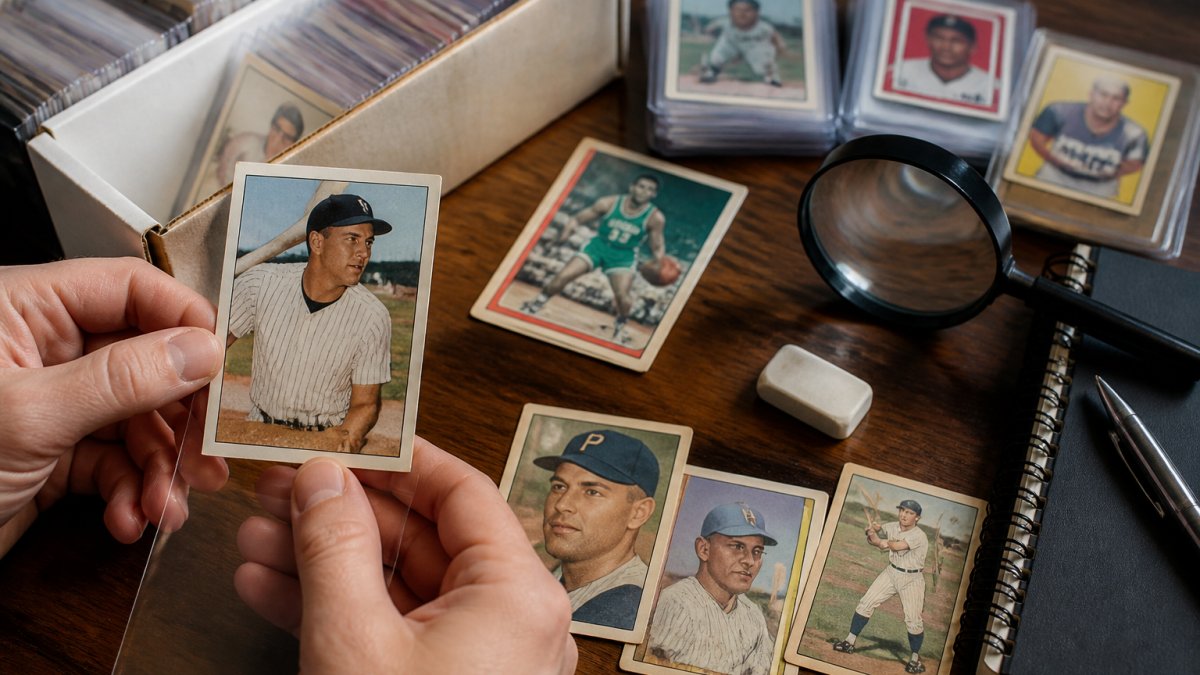
Start by examining the card stock itself. Authentic vintage cards have a distinct feel, the weight, thickness, and flexibility reflect manufacturing standards from their era. Counterfeiters often use modern card stock, which feels noticeably different. Run your thumb across the card edge. Real vintage singles show wear patterns consistent with age. Fakes tend to have uniform, pristine edges even when marketed as "played condition."
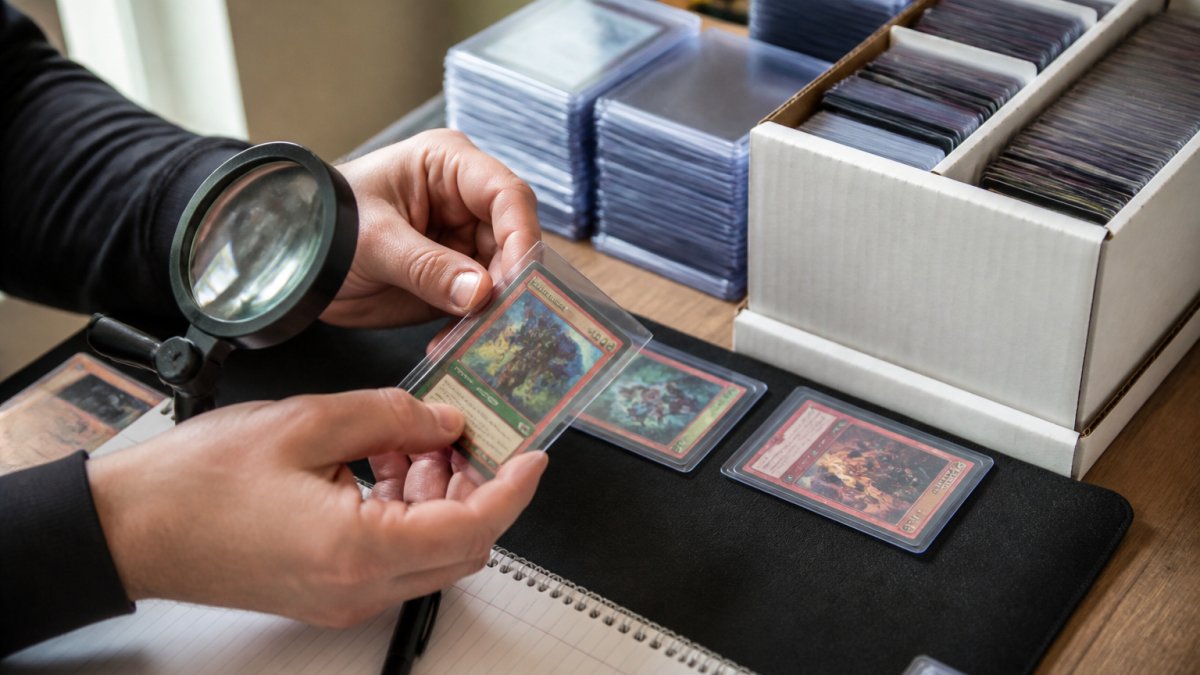
Check the print quality under magnification. Authentic vintage cards show consistent dot patterns in the image area (a result of period printing technology). Fake cards often display blurry or inconsistent printing, especially in fine details like player names or team logos. The color saturation should match documented examples from that year and print run.
Examine the back of the card. Authentic vintage singles show specific manufacturing marks, copyright notices, and text that changed year to year. Counterfeiters sometimes miss these details or use incorrect text for the claimed year. Compare your card against high-resolution images from verified examples on collector forums.
One insider tip: examine the corners under a loupe. Authentic vintage cards show natural wear, slight rounding, tiny creases, color loss. Fakes often have artificially aged corners that look uniform or suspiciously consistent across the card.
When buying from any platform, request high-resolution photos showing the front, back, and edges. Legitimate sellers expect this question. If a seller resists detailed photos or offers only a single angle, that's a red flag worth heeding.
Buying Raw vs Graded Vintage Cards: What's Right for You
The choice between raw (ungraded) and graded cards affects both cost and perceived value.
Raw vintage card singles cost less because they skip the grading process. You're buying based on the seller's condition assessment, which means you inherit their evaluation standards. This works if you're building a personal collection where you control the standards. It doesn't work if you plan to resell, buyers expect professional grading for investment-grade pieces.
Graded cards carry a professional assessment from companies like PSA, BGS, or SGC. The card sits in a protective slab with a numeric grade (1-10 scale). This standardization makes comparison shopping straightforward and protects resale value.
Vintage Card Price Guide: Determining Fair Market Value
Fair market value for vintage card singles depends on rarity, condition, and recent sales data. Checking multiple sources prevents overpaying.
Authentication and Grading Verification for Vintage Singles
Knowing how to verify grading claims protects you from misrepresented cards.
Storage and Preservation Best Practices for Your Collection
How you store vintage card singles determines whether they appreciate or deteriorate over time.
Which Site Should You Choose?
Your best platform depends on what you're hunting and what you value most.
Frequently Asked Questions
How can I verify the authenticity of vintage card singles online?
Check for seller authentication credentials and verified sales history. Look for cards graded by recognized companies like PSA, BGS, or SGC. Examine printing quality, card stock texture, and centering in photos. Use price tracking tools to verify the card's market value, unusually cheap vintage singles are often counterfeits. Request additional photos and ask sellers about the card's provenance before purchasing.
Should I buy graded or ungraded vintage card singles?
Graded cards come with professional condition assessment and authentication, making them ideal for competitive players and investors. Ungraded cards cost less and work well for casual collectors completing sets. Graded vintage cards command premium prices due to the slab and certification, while raw cards offer better value if you're building a collection for personal enjoyment. For tournament play, competitive players typically need graded cards in near-mint condition. Budget-conscious collectors benefit from ungraded vintage singles from trusted sellers.
What's the best way to determine the fair market value of vintage card singles?
Use a vintage card price guide, which aggregates data from verified sales on eBay and major auction houses. Free tools show actual sold prices and hidden 'best offer' deals. Check completed listings on multiple marketplaces to see recent transaction prices for the same card in similar condition. Factor in the card's condition, print run, historical significance, and player demand. Graded cards typically cost more than raw versions of the same card. Cross-reference prices across several platforms before making an offer to ensure you're paying market rate.
Where can I find specific vintage cards from the 1990s or earlier?
Dave's House of Cards maintains a curated selection of individual cards from popular series. Online marketplaces show inventory across multiple sellers. For the rarest cards, auction houses offer access to exclusive inventory that rarely appears on standard retail sites.
What should I do if a vintage card arrives in worse condition than described?
Contact the seller immediately with photos documenting the condition discrepancy. Most reputable platforms like Dave's House of Cards have return policies for condition mismatches. Document everything with clear photos showing the damage or wear. Request a return authorization and prepaid shipping label when applicable. Reputable sellers prioritize customer satisfaction and will work to resolve disputes. Check the marketplace's buyer protection policy before purchasing, established sites offer return windows for condition issues. Keep all communications and photos as evidence if escalation becomes necessary.
Building a vintage card collection requires knowing where authenticity and fair pricing intersect. Dave's House of Cards makes that process straightforward with a curated selection of individual cards, convenient online shopping, and free shipping over $7.50, giving you confidence that you're buying quality pieces without overpaying for shipping. Shop all vintage card singles and start completing your collection today.