 how-to
Grading Cards for Tournament Play: A 2026 Guide
Table of Contents
- Why Card Grading Matters for Tournament Play
- Understanding Card Condition Categories and Grading Scales
- How to Inspect and Assess Card Condition
- Slabbed Cards and Tournament Rules
- Marked Cards and Tournament Legality
- Card Sleeves and Tournament Rules
- Pre-Tournament Card Verification Checklist
- What to Do When Card Condition Is Disputed
- Frequently Asked Questions
Last Updated: October 12, 2026
Why Card Grading Matters for Tournament Play
Grading cards for tournament play is about more than collecting. It's about eligibility. Tournament organizers enforce strict condition standards, and a card that looks fine to you might not pass inspection at a competitive event.
Here's the reality: tournament judges have specific criteria. They're looking at surface quality, corners, edges, and centering. A card with visible wear, creases, or damage can get your deck rejected before you even sit down to play. That's not just frustrating, it means wasted entry fees and preparation time.
The good news is that understanding grading standards upfront lets you build a tournament-legal deck. You can inspect your own cards, know which ones are playable, and avoid surprises at the event.
Understanding Card Condition Categories and Grading Scales
Card grading systems use numbered scales to describe condition. The most common scale runs from 1 to 10, with higher numbers meaning better condition. Each number represents a specific range of wear and damage.
Professional grading services use these categories:
- 10 (Gem Mint): Flawless or near-flawless. Virtually no wear visible.
- 9 (Mint): Minimal wear. Only visible under close inspection.
- 8 (Near Mint/Mint): Light wear. Some minor imperfections.
- 7 (Near Mint): Light to moderate wear. Noticeable but not severe.
- 6 (Excellent/Mint): Moderate wear. Clear signs of play or handling.
- 5 (Excellent): Moderate to heavy wear. Obvious damage or creasing.
- 4 (Very Good/Excellent): Heavy wear. Significant damage.
- 3 (Very Good): Heavy wear throughout. Multiple visible issues.
- 2 (Good): Severe wear. Major damage.
- 1 (Poor): Extremely damaged. Barely recognizable.
Tournament organizers typically allow cards graded 7 or higher (Near Mint and better). Some competitive events require 8 or higher. Casual play might accept lower grades, but competitive tournaments are strict.
Near Mint Card Condition and Tournament Standards
A Near Mint card is graded 7 on the standard scale. This means the card shows light to moderate wear but remains tournament-legal for most events.
Near Mint cards have minor imperfections. You might see slight corner wear, faint surface marks, or very minor edge wear.
For tournaments, Near Mint is the baseline. Most competitive events accept 7 and above. Some high-level tournaments require 8 (Near Mint/Mint) or better. Check the specific event rules before bringing your deck.
The key difference: a Near Mint card looks good but shows signs of use. A Mint card (9) looks almost new. The jump from 7 to 8 matters for serious tournaments.
Played, Heavily Played, and Damaged Grades
Played cards (grade 6) show clear signs of use. You'll see moderate wear on corners and edges. Surface marks are visible.
Played cards are typically not tournament-legal for competitive events. Casual play formats might allow them, but organized tournaments reject them.
Heavily Played cards (grade 5) have significant wear. Corners are noticeably rounded. Edges show clear wear marks. Surface creases or wrinkles may be visible. The card is still playable but looks worn.
Heavily Played cards are unsuitable for tournament play. They fail condition checks.
Damaged cards (grades 1-4) have severe wear, creases, stains, or major damage. These cards are not tournament-legal under any circumstances. They're suitable only for casual play or collection purposes.
How to Inspect and Assess Card Condition
Inspecting a card properly takes practice, but the process is straightforward. You need good lighting, a careful eye, and knowledge of what to look for.
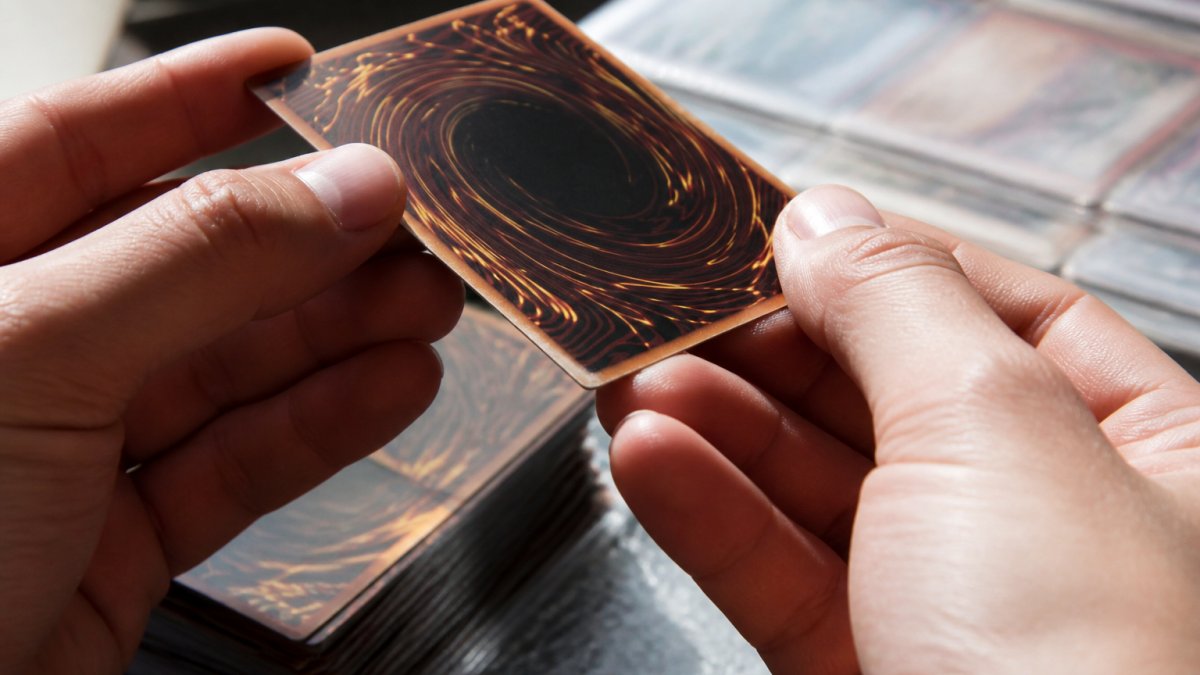
Start with clean hands. Oils and dirt on your fingers transfer to the card. Use a soft, dry cloth to gently wipe the card's surface if needed.
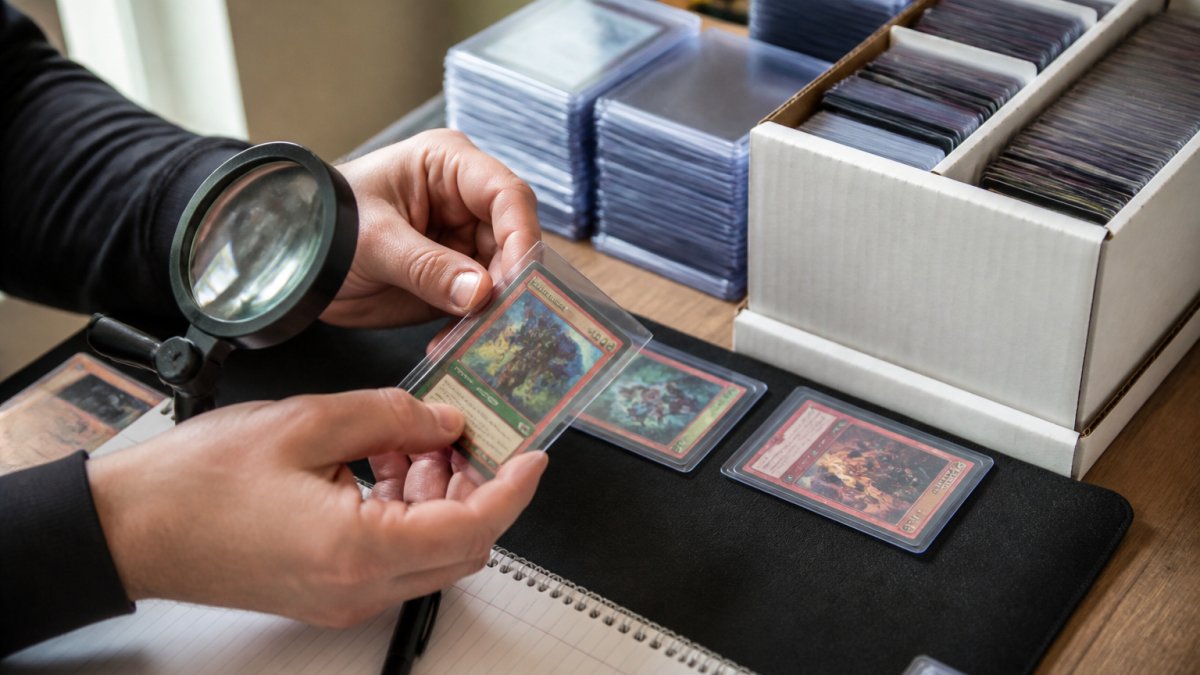
Next, examine the card under bright light. Hold it at different angles. Tilt it to catch light on the surface.
Look at each part of the card systematically. Don't rush. A thorough inspection takes a minute or two per card.
Checking Surface, Corners, Edges, and Centering
Surface: Look for scratches, scuffs, print lines, or discoloration. Run your eye across the entire front and back. Minor print imperfections from manufacturing are normal.
Corners: Rounded corners are a major grading factor. Press gently on each corner, don't bend the card. Look for sharpness or rounding.
Edges: Check the top, bottom, and sides. Look for wear, chipping, or discoloration. Clean edges = higher grade. Worn or discolored edges = lower grade.
Centering: This refers to how the image is positioned on the card. Is the border even on all sides? Slight centering issues are common and usually acceptable.
Most tournament judges focus on corners, edges, and surface condition. Centering matters less for playability, though it affects collectible grading.
Identifying Visible Wear, Creases, and Damage
Visible wear appears as light scratches, faint marks, or minor discoloration. A card with visible wear is typically graded 6-7 (Played to Near Mint).
Creases are permanent folds in the card. Even a light crease significantly lowers the grade. A creased card is unsuitable for tournament play.
Wrinkles are similar to creases but less severe. They're visible but not as pronounced. A wrinkled card is still tournament-questionable.
Stains or discoloration from water, ink, or other sources lower the grade. Small stains might not disqualify a card, but noticeable discoloration will.
Chipping or flaking on edges or corners is damage. Even small chips lower the grade significantly.
If you see any of these issues, assume the card is below tournament standard. Better to be conservative than surprised at an event.
Slabbed Cards and Tournament Rules
A slabbed card is a card encased in a protective plastic holder by a professional grading service. The slab displays the card's grade and includes authentication.
Slabbed cards are graded for tournament play. The grade is visible on the slab. If the grade meets the tournament's requirement, the card is legal.
However, tournament rules vary by game and organizer. Some tournaments allow slabbed cards. Others do not.
Before bringing slabbed cards, check the specific event rules. Contact the tournament organizer directly if the rules aren't clear. Don't assume slabbed cards are always legal.
If slabbed cards are allowed, keep the slab intact during play. Opening a slab voids the grading and damages the card.
Marked Cards and Tournament Legality
A marked card is a card with visible marks, damage, or alterations that make it identifiable in the deck. Tournament rules prohibit marked cards.
Why? Because marked cards create an unfair advantage. If you can identify a card by a mark on its back, you know what's coming. That's cheating.
Marked cards include:
- Cards with creases, bends, or dents
- Cards with stains or discoloration
- Cards with bent or damaged corners
- Cards with scratches or scuffs on the back
- Cards with any visible alteration or damage
Even unintentional marks count. If a card looks different from the others in your deck, a judge can rule it marked and remove it from your deck.
The solution: use sleeves to protect all cards and keep them uniform. Even sleeved, a damaged card can be identified by its appearance inside the sleeve.
If a judge suspects a marked card, they'll examine it closely.
Card Sleeves and Tournament Rules
Card sleeves are protective plastic covers that fit around trading cards. Sleeves protect cards from damage and are mandatory in most tournaments.
Tournament rules require opaque sleeves. The sleeve must be solid color, no patterns, images, or designs. The back of the card must be completely hidden inside the sleeve so no identifying marks are visible.
Sleeves must be:
- Opaque (solid color)
- Undamaged (no tears or holes)
- Clean (no dirt or debris)
- Uniform (all sleeves the same color)
Damaged sleeves are not allowed. If a sleeve tears during the tournament, you must replace it immediately. Judges will check.
Using sleeves protects your cards and ensures tournament compliance. Bring extra sleeves to events, you might need to replace one.
We recommend checking sleeve rules for your specific tournament. Different games and organizers have different requirements. Some events specify sleeve brands or colors.
Pre-Tournament Card Verification Checklist
Before you register for a tournament, verify your deck meets condition standards. Use this checklist:
- Check the tournament's condition requirements (Near Mint, Mint, or other)
- Inspect each card in your deck under bright light
- Assess corners for rounding or wear
- Check edges for discoloration or damage
- Look for surface scratches, marks, or creases
- Verify no card has visible damage or alterations
- Confirm all cards are sleeved in opaque sleeves
- Replace any damaged sleeves
- Verify all sleeves are the same color and undamaged
- Double-check that no card is marked or identifiable by damage
- Review the specific event rules one more time
- Contact the organizer if any rules are unclear
This checklist takes 15-20 minutes for a typical deck. It saves you from showing up unprepared.
If you find cards that don't meet the standard, replace them now. Don't wait until tournament day. At Dave's House of Cards, we stock individual cards in various conditions.
What to Do When Card Condition Is Disputed
Disputes happen. A judge might question a card's condition. You might disagree with their assessment.
Here's how to handle it:
Stay calm. Don't argue aggressively. Judges have authority, and pushing back rarely changes their decision.
Ask for clarification. Ask the judge exactly what condition issue they've identified. Listen to their reasoning.
Request a second opinion. If available, ask for another judge to review the card. Some tournaments allow this.
Accept the ruling. If the judge rules the card unsuitable, you must remove it from your deck.
Learn from it. If a card was ruled unsuitable, understand why. Avoid similar cards in future tournaments.
The best strategy is prevention. Verify your cards before the tournament. Bring cards you're confident about. Don't gamble on borderline cards.
Frequently Asked Questions
Are graded or slabbed cards allowed in tournaments?
Most trading card game tournaments allow slabbed cards, but rules vary by organizer and game system. Magic: The Gathering and Pokémon TCG permit slabbed cards in sanctioned play, provided the card itself meets condition standards and the slab does not obscure the card's text or image. Always check your specific event's guidelines before bringing a slabbed card. Some local tournaments may have different policies, so contact the tournament organizer in advance to confirm.
What card condition is acceptable for tournament play?
Most tournaments require cards to be in Played condition or better, though some competitive events demand Near Mint or Slightly Played cards. Heavily Played or Damaged cards are typically unsuitable for tournament play. Condition is evaluated by surface wear, corner rounding, edge wear, and centering. If a card shows visible creases, wrinkles, or major damage, it will likely be rejected during deck verification. Check your event's specific rules, they may reference a grading scale or condition guidelines.
Do I need professional grading for my tournament cards?
Professional grading is not required for tournament play. Judges at the event assess condition during deck verification using their own standards. However, professional grading (by services like PSA or Beckett) can provide third-party authentication and a numerical grade that helps you understand where your card stands. If you're unsure whether your card meets tournament standards, professional grading can offer a third-party assessment, though it adds cost and turnaround time.
Can marked or altered cards be disqualified from tournaments?
Yes. Cards with visible marks, alterations, or damage that makes them identifiable from the back of the deck are grounds for disqualification. Tournament rules prohibit marked cards to prevent cheating and ensure fair play. This includes wear patterns that make a card stand out visually. Even unintentional damage that creates a distinguishing mark can result in rejection. Always use opaque sleeves and inspect your deck to ensure no card is visibly different from the others.
Building a tournament-legal deck means understanding grading standards and inspecting your cards carefully. The condition requirements are strict, but they're consistent. Know the rules, verify your cards, and you'll be ready to compete. At Dave's House of Cards, we help you find cards that meet tournament standards, so you can focus on playing your best game. Shop all our individual cards and build the deck you need.